House clearance and cleaning for Brownhill Road homes
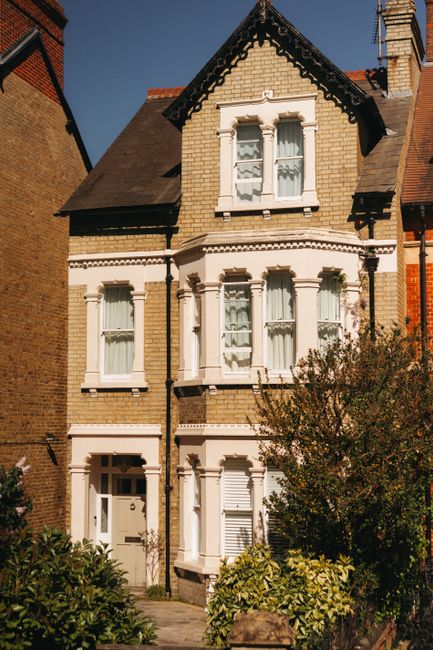
If you live on or near Brownhill Road, a big clear-out can feel oddly personal. One minute you're staring at a hallway full of boxes, old furniture, and the bits and pieces life has quietly piled up; the next, you're trying to figure out what should be kept, donated, recycled, cleaned, or removed altogether. House clearance and cleaning for Brownhill Road homes is really about making that process calm, organised, and safe. Done properly, it restores order without creating more mess than you started with.
This guide walks through how the process works, what to expect, the practical steps that save time, and the mistakes that tend to cause stress later. It also covers the difference between a simple tidy-up and a fuller clearance-and-clean package, so you can decide what actually fits your home. Let's face it, not every property needs the same level of help.
Why House clearance and cleaning for Brownhill Road homes Matters
A house clearance is more than just moving clutter out of sight. In a real home, especially one that has been lived in for years, the job often includes sorting belongings, separating items with sentimental value, removing bulky waste, and then cleaning areas that have been inaccessible for a while. Dust builds up behind wardrobes. Marks appear on skirting boards. Carpets hold onto odours. Kitchen appliances tell the whole story if nobody has touched them in months. You know the kind of thing.
For Brownhill Road homes, the need can come from a wide range of situations: a move, a renovation, a bereavement, a long-overdue declutter, tenant changeover, or simply the point where a house has become hard to manage day to day. In those moments, house clearance and cleaning are not cosmetic luxuries. They are a practical reset.
There is also a peace-of-mind element. A careful clearance reduces trip hazards, frees up usable space, and makes the cleaning stage far more effective. If you clean before the clutter is removed, you usually end up repeating yourself. Twice the effort, half the result. Not ideal.
When done with a responsible approach, the process can also support recycling and sensible disposal. That matters if you want to avoid the last-minute scramble of figuring out where everything should go. If sustainability is part of your decision-making, you may also want to look at recycling and sustainability practices before the job begins.
Expert summary: the best clearance-and-clean jobs are planned in stages. First sort, then remove, then deep clean. That order saves time, reduces waste, and leaves the property genuinely ready for use again.
How House clearance and cleaning for Brownhill Road homes Works
The process usually starts with a walk-through. Even if you are not doing a formal site visit, you still need to understand what is in the property, what must stay, what can go, and which rooms need extra attention. A one-bedroom flat near Brownhill Road will naturally be different from a larger terraced home with a loft, cellar, or outbuilding.
Once the scope is clear, the work normally follows a simple pattern:
- Identify items to keep, donate, recycle, or dispose of. This stage prevents accidental loss and keeps the job focused.
- Remove large or awkward items first. Sofas, mattresses, broken shelving, and old appliances can block access to the rest of the room.
- Bag and box smaller loose items. This is where a lot of the hidden clutter lives: paperwork, cables, books, containers, half-used products, and all the odd little things that tend to gather in drawers.
- Dust and vacuum exposed surfaces. Once furniture and debris are out, the room usually looks different immediately.
- Deep clean the neglected areas. Kitchens, bathrooms, carpets, floors, and touchpoints often need more than a standard once-over.
- Finish with a final inspection. Check corners, tops of doors, behind radiators, and other easy-to-miss spots.
In practice, this is where a broader service mix can help. For example, if the home also needs a more detailed interior refresh, deep cleaning can complement the clearance work nicely. If floors need specialist attention after the clutter has been removed, hard floor cleaning or carpet cleaning may be the sensible next step.
And if the property has experienced renovation dust or trade debris, that is a different animal again. A standard tidy will not touch fine dust properly; a more detailed post-work clean may be needed, such as after builders cleaning.
Key Benefits and Practical Advantages
People often think the main benefit is simply having more space. That is true, of course, but the practical gains go further than that.
- Better organisation: once unnecessary items are removed, the remaining belongings are easier to store and use.
- Safer movement through the home: clear hallways, stairs, and landings reduce the risk of trips and awkward lifting.
- More effective cleaning: dusting and sanitising work properly when surfaces are visible and accessible.
- Less emotional overwhelm: a chaotic room can feel heavier than it looks. Breaking it into steps makes the job manageable.
- Improved property presentation: useful if you are preparing for sale, rent, probate, family visits, or simply day-to-day living.
- Reduced cross-contamination: old clutter, damp storage, and neglected corners can carry odours, dust, and allergens.
There is also a very human benefit. A cleared, freshly cleaned room changes how the whole home feels. You notice the light again. You hear the floorboards properly. It sounds small, but the mood of the property changes. That can be a relief after weeks or months of living around boxes and half-finished plans.
If upholstery, curtains, or soft furnishings have absorbed dust or odour over time, it can help to pair the clearance with upholstery cleaning or sofa cleaning. For homes with rugs that have collected traffic marks in busy rooms, rug cleaning can make a surprisingly big difference. Funny how one cleaned rug can make the whole room look less tired.
Who This Is For and When It Makes Sense
This type of service is not only for major life events, though that is where it is often most needed. It makes sense for anyone facing a home that has become harder to manage than it should be.
Typical situations include:
- moving home and needing a fast reset before or after the move
- preparing a property for new occupants
- clearing a deceased relative's home with care and discretion
- dealing with years of accumulated belongings
- refreshing a rental after long occupancy
- tidying after DIY, repairs, or decorating
- helping an older resident create a safer, more manageable living space
It is also worth thinking about what level of help you actually need. Some people need a one-off cleaning after the clearance is done. Others need support with the whole property, from general house cleaning to more detailed room-by-room work. If the job is part of the end of a tenancy, the requirements may be stricter and the timing tighter, so end of tenancy cleaning may be the better fit.
Truth be told, many homeowners only realise how much help they need once the first room is empty. That's normal. A clear room often reveals what was hiding underneath, behind, or inside everything else.
Step-by-Step Guidance
If you want the job to feel controlled rather than chaotic, work in sequence. Rushing is where most problems start.
1. Walk through the property and decide the scope
List each room and note what needs to happen there. Some spaces may only need decluttering, while others may need clearing, wiping down, washing, and disinfecting. Kitchens and bathrooms usually need the most attention. Bedrooms and living rooms often need hidden dust dealt with. Hallways are where the moving chaos tends to land, naturally.
2. Separate belongings into clear groups
Create simple categories: keep, donate, recycle, dispose. If you leave everything in one pile, you create decision fatigue. Small decisions become big ones very quickly. A label on a box saves a surprising amount of stress later.
3. Remove the bulky items first
Get the largest items out before you start detailed cleaning. This opens up access and stops you cleaning around an obstacle that will just come back into the room five minutes later. In a typical Brownhill Road home, that may mean wardrobes, old mattresses, desks, broken shelving, or stored appliances.
4. Clean the "forgotten" areas
Once the room is open, focus on places people tend to ignore: behind radiators, under beds, inside cupboards, along skirting, light switches, handles, top edges of doors, and window sills. If the property is noticeably dusty or has been shut up for a while, window cleaning can also make the space feel cleaner instantly because the daylight comes through properly again.
5. Deal with the floor surfaces last
Floors should usually be cleaned after everything else is removed and dusted. Carpets may need extraction or specialist treatment; hard floors may need a proper scrub and finish-safe method. If you clean the floor too early, you just walk debris back across it. A bit annoying, that.
6. Do a final walk-through
Check the room at different angles and lighting conditions. Afternoon light can expose dust that overhead lighting hides. Open a wardrobe. Look behind a door. Peer into corners. It is rarely glamorous work, but it catches the last 5% that makes the result feel finished.
Expert Tips for Better Results
Here is the sort of practical advice that saves time on real jobs, not just in theory.
- Use clear bags and labels where possible. It speeds up sorting and avoids mistakes.
- Keep sentimental items separate from everything else. Photos, letters, jewellery, documents, and keepsakes should never be rushed into a clearance pile.
- Start with the easiest decisions. The first win creates momentum.
- Work top to bottom. Dust falls. That old rule still matters.
- Check storage spaces twice. Cupboards, loft access points, under-stairs areas, and shed corners usually hide more than expected.
- Plan for waste responsibly. Reuse and recycling should be considered before disposal where possible.
- Don't overpack one room with items "to sort later". That often becomes a new clutter problem in disguise.
If you need professional help, choose a cleaning company that is transparent about scope, timing, and what is included. You may also want to confirm practical details around insurance and safety and review the provider's health and safety policy if you are comparing services. A little boring, yes, but worth it.
One small real-world note: if you are clearing a property that has been untouched for a while, expect a bit of dust in the air once doors and cupboards start opening. Ventilation helps. So does a sensible sequence. Nothing dramatic, just practical reality.
Common Mistakes to Avoid
Most clearance-and-clean problems come from moving too fast or skipping the planning stage. Easy to do. Also easy to regret.
- Cleaning before the clearance is finished. You will almost always need to clean again.
- Mixing keep and discard items. This is how valuable papers and personal items disappear.
- Ignoring access and parking. On a busy London road, that can waste a lot of time.
- Underestimating the volume of waste. A room that looks manageable can fill multiple bags and boxes surprisingly quickly.
- Forgetting specialist areas. Ovens, carpets, and upholstery often need separate attention.
- Trying to do everything in one breathless afternoon. Sometimes you can. Often you shouldn't.
Another mistake is forgetting that different surfaces need different treatments. An old laminate floor, for example, does not want the same approach as sealed timber or stone. Likewise, a greasy oven interior is not the same as a dusty shelf. If kitchen appliances are part of the job, oven cleaning can remove a lot of built-up residue that basic wiping won't touch.
And if the home has hard flooring throughout, do not just mop and hope for the best. A proper hard floor cleaning approach is usually kinder to the finish and better for removing fine grit left behind after a clearance.
Tools, Resources and Recommendations
You do not need an enormous toolkit, but a few sensible basics make the whole job smoother.
Useful practical items
- sturdy bin bags and heavy-duty sacks
- boxes or crates for sorting and transport
- labels or a marker pen
- microfibre cloths
- vacuum with attachments
- dustpan and brush
- all-purpose cleaner suitable for the surface
- gloves
- mask for dusty rooms if needed
- spare towels or cloths for spills
For homes that need more than a standard tidy, it can help to plan the job in layers. First the clearance. Then the general clean. Then specialist tasks such as carpet, sofa, rug, oven, or window work if required. That layered approach gives the best balance between effort and result.
If you are uncertain about pricing, scope, or how a visit is usually arranged, a page like pricing and quotes can help you understand the process before you commit. If you want to know more about the business itself, about us is the place to check. And if you need to speak to someone directly, you can always use contact us. Simple as that.
For soft furnishings that have collected dust during storage or a long clear-out, carpets cleaner services may also be worth considering, especially where fibres have trapped odours or traffic marks. The room can look tidy and still not feel fresh until the fabrics are dealt with.
Law, Compliance, Standards, or Best Practice
This kind of work touches on several areas of good practice, even when it is not formally regulated in the same way as some trades. In the UK, the sensible approach is to treat the home, the waste, and the people involved with care.
That means checking what should be retained, ensuring anything personal or confidential is handled responsibly, and disposing of waste in line with accepted local expectations rather than simply dumping it. Bulky waste, electrical items, and mixed rubbish all need thoughtful handling. You do not need legal jargon to know when something should be recycled instead of thrown away carelessly.
Best practice also means working safely. Heavy lifting should be planned, not improvised. Wet floors should be marked or dried promptly. Dusty environments should be ventilated. If a property contains mould, biohazards, sharps, pests, or other high-risk conditions, the job may need specialist assessment before anyone starts moving things around. Better safe than sorry. Honestly.
For tenants and landlords, there may also be a practical expectation that the property is left in a clean, presentable condition at the end of the process. Exact requirements vary, so it is wise to align the clearance and cleaning plan with the purpose of the property handover. If the job is about tenancy move-out, a dedicated end of tenancy cleaning service is often the cleaner route, no pun intended.
Finally, professionalism matters. Clear terms, secure payments, and complaint handling are all signs of a service that takes the work seriously. Those details may feel dull on day one, but they matter if anything needs clarification later. If you want to review those basics, pages such as payment and security, terms and conditions, and complaints procedure are useful reference points.
Options, Methods, or Comparison Table
Not every Brownhill Road home needs the same approach. The right choice depends on time, condition, and how much help you want with the aftercare.
| Option | Best for | Strengths | Watch-outs |
|---|---|---|---|
| Self-managed clearance and clean | Smaller jobs, low clutter, flexible schedule | Lower direct cost, full control over sorting | Time-consuming, physically demanding, easy to miss hidden dirt |
| Clearance only | When removal is the main issue | Fast space recovery, good for bulky items | Property may still need proper cleaning afterwards |
| Cleaning only | When items are already removed | Efficient final refresh, better presentation | Does not solve clutter or disposal |
| Combined clearance and cleaning | Moves, probate, tenancy changes, major declutter | Most efficient overall, one joined-up plan | Requires clear scope and good coordination |
In many cases, the combined option is simply the least stressful. You avoid repeating work, and the property is left in one coherent condition instead of half-finished. If a room needs a deeper reset after the big items are gone, a one-off cleaning visit can be the right middle ground between a basic tidy and a full service package.
Case Study or Real-World Example
Here is a realistic example, based on the sort of job that comes up more often than people expect.
A Brownhill Road homeowner inherits a two-bedroom terrace that has been used as long-term storage for years. The front room contains boxes, a worn armchair, several lamps, books, old paperwork, and a couple of items nobody quite remembers buying. The kitchen still has small appliances on the counters, but the cupboards are packed. The hallway is passable, just about. The aim is to clear the property for sale without turning the week into a meltdown.
The job starts with sorting paperwork and sentimental items first. A few things are set aside immediately. Then the bulky furniture comes out of the front room, which changes the feel of the house straight away. That room gets dusted from top to bottom, then vacuumed. Skirting boards, window ledges, and the top of the door frame are wiped. The kitchen follows, with a special focus on grease, limescale, and surfaces that have not been touched properly in months.
Once the main clutter is gone, the remaining surfaces are easier to judge. A carpet cleaner can finally get to the fibres under where the sofa used to sit. A window clean lets daylight back into the room. By the end, the property is not just emptier. It is livable again, and that is a very different thing.
That is usually the turning point people remember. Not the first bag removed. The moment the room stops feeling blocked and starts feeling like a room again.
Practical Checklist
Use this simple checklist before, during, or after the job.
- Confirm which rooms are included.
- Separate keep, donate, recycle, and dispose items.
- Remove valuables and documents first.
- Check lofts, cupboards, under beds, and storage areas.
- Plan for bulky items and any awkward access.
- Ventilate dusty or stale rooms.
- Clear large items before detailed cleaning.
- Clean high surfaces before floors.
- Deal with carpets, rugs, sofas, and upholstery if needed.
- Check windows, mirrors, handles, switches, and skirting.
- Review the final result in daylight if possible.
- Keep notes for anything left behind or needing follow-up.
If you are dealing with a deeper home reset, you may also want to combine clearance with domestic cleaning or home cleaners support so the everyday finish is easier to maintain afterwards. The best plans are the boring ones, really. Clear, tidy, repeatable.
Get a free quote today and see how much you can save.
Conclusion
House clearance and cleaning for Brownhill Road homes is ultimately about turning a stressful, cluttered, or overdue task into something manageable and worthwhile. Whether you are clearing after a move, dealing with accumulated belongings, or simply trying to get a property back under control, the right order matters: sort first, remove second, clean thoroughly last. That is the part people often skip, and it's the part that makes the biggest difference.
Do it well and the result is more than a tidy room. It is breathing space. It is a home that feels lighter, calmer, and easier to live in. And honestly, that feeling can carry through the rest of the week.
One good reset can change the whole tone of a house. Sometimes that is exactly what a Brownhill Road home needs.
Frequently Asked Questions
What is included in house clearance and cleaning for Brownhill Road homes?
It usually includes sorting items, removing unwanted belongings, handling bulky waste, and then cleaning the cleared areas so the property is ready to use, view, or hand over.
Do I need clearance before cleaning?
In most cases, yes. Removing clutter first makes cleaning faster, more thorough, and less frustrating. You avoid wiping around objects that are about to leave anyway.
How long does the process usually take?
That depends on the size of the property and how much needs removing. A small flat may be straightforward, while a larger or heavily stored home can take much longer.
Can the job include carpets and upholstery?
Yes, and it often should. Carpets, rugs, sofas, and other soft furnishings can hold dust and odours even after the main clearance is done.
What should I keep aside before the work starts?
Keep valuables, documents, medication, sentimental items, and anything you definitely want to retain in one safe place before the clearance begins.
Is this suitable for landlords and tenants?
Yes. It is commonly used for move-outs, end-of-tenancy situations, and properties that need to be presented cleanly between occupancies.
What if the property has not been touched for a long time?
Then you may need a more detailed approach. Dust, odour, and hidden dirt often become more noticeable in long-unused spaces, especially in kitchens and bathrooms.
Do I need specialist cleaning after builders or decorating?
If there is plaster dust, paint residue, or general renovation debris, a standard clean may not be enough. In those cases, a more detailed after-builders clean is usually better.
How do I decide between a one-off clean and a full clearance package?
If the room is already clear and just needs refreshing, a one-off clean may be enough. If you still need items removed, the clearance part should come first.
Are hard floors, ovens, and windows usually included?
They can be, depending on the scope. Hard floors, ovens, and windows are often treated as extra specialist tasks rather than automatic parts of a basic clean.
What are the biggest mistakes people make?
The main ones are cleaning too early, failing to sort items properly, and underestimating how much dust and hidden debris will appear once furniture is moved.
How do I get ready for a quote?
Make a rough list of rooms, note any awkward access, and mention anything that needs special handling. A clearer brief usually leads to a more accurate estimate.